




It’s that time of year again in the Midwest. As temperatures fluctuate warm and cold and we get glimpses of spring one day with snow the next, your tire pressure can be a little out of control. Ensuring your tire pressure is correct is very important to the overall health of your vehicle. Here’s what you need to know to make sure your PSI is stable and ready for whatever weather comes our way.
Why Tire Pressure Changes in Cold Weather
Tire pressure naturally fluctuates with temperature. For every 10-degree drop in outside temperature, tire pressure can decrease by about 1 PSI. In the Midwest, where one week can feel like winter and the next like spring, these swings happen often and sometimes overnight. That means a tire that was properly inflated yesterday could be underinflated today.
Underinflated tires don’t just trigger that dashboard warning light; they can affect braking, handling, fuel efficiency, and overall tire lifespan too.
The Risks of Driving on Improperly Inflated Tires
When tire pressure is too low, more of the tire’s surface contacts the road. This increases friction and heat buildup, leading to faster wear and reduced fuel economy. Low pressure can also make steering feel sluggish and increase stopping distance, which is especially dangerous on wet or icy roads.
Overinflated tires aren’t ideal either. Too much air reduces traction and can cause uneven wear, making it harder to maintain control during sudden stops or sharp turns.
How to Check Your Tire Pressure Correctly
To get an accurate reading, always check tire pressure when your tires are “cold,” meaning the vehicle hasn’t been driven for at least a few hours. Use a reliable tire pressure gauge and compare the reading to your vehicle manufacturer’s recommended PSI, not the number printed on the tire itself. You can usually find the correct PSI on a sticker inside the driver’s door or in your owner’s manual. During winter and early spring, check tire pressure at least once a month and anytime you notice a sudden change in temperature.
Don’t Ignore the TPMS Light
Your Tire Pressure Monitoring System (TPMS) is designed to alert you when pressure drops below a safe level. Cold weather is one of the most common reasons this light comes on. While it may turn off once temperatures warm up, that doesn’t always mean the issue has resolved. Treat the light as a reminder to manually check your tires and adjust as needed.
Keep Your Tires Winter-Ready
In addition to monitoring PSI, make sure your tires are in good overall condition. Check for uneven tread wear, visible cracks, or bulges, which can become more problematic in colder weather. Proper inflation combined with routine inspections helps your tires handle Midwestern road conditions more safely and efficiently.
Let Hulett Help Keep You on the Road
If you’re unsure whether your tires are properly inflated or notice frequent pressure changes, Hulett is here to help. Our team can inspect your tires, check pressure levels, and make sure your vehicle is ready for whatever winter and early spring weather throws your way. Schedule a visit with our Service Center team today.
Why Dealership Service Centers Are Actually More Affordable Than Your Average Mechanic Shop
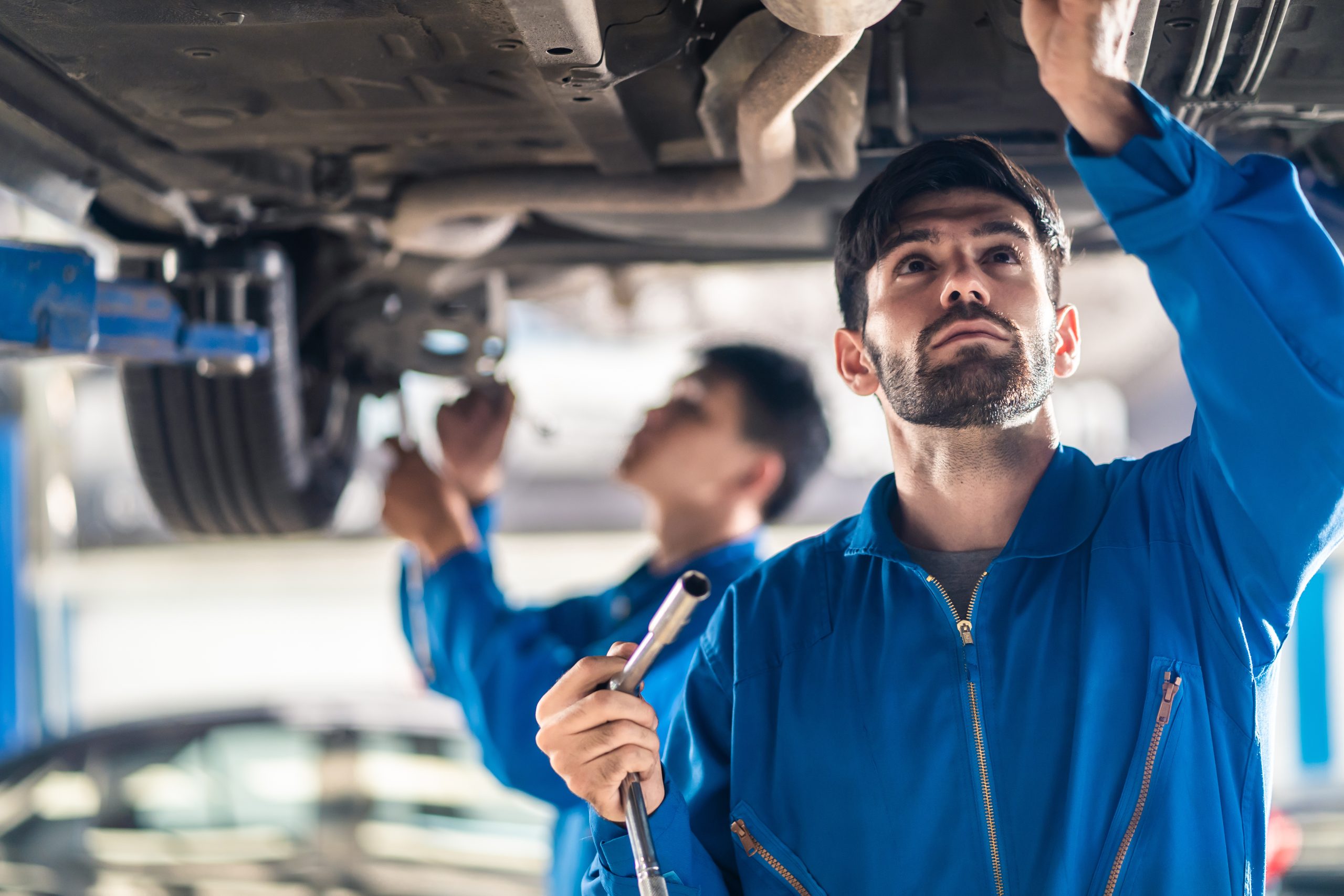
Most people are hesitant to take their car to the dealership when a repair is needed or routine maintenance is required. They envision jacked-up prices and a less personalized experience. And at first glance, these things might seem true. After all, dealerships are where you go to buy a car, and once you negotiate a good deal most people are intimidated to go back.
But on closer inspection, dealership service centers can actually be more affordable, providing a much better long-term value for your vehicle, from people who know you and your vehicle well.
Here’s why.
Transparent Pricing and Maintenance Packages
Dealerships follow manufacturer-recommended pricing and service schedules, which means you’ll know exactly what you’re paying for. Many offer bundled maintenance packages that include oil changes, tire rotations, and inspections at a set rate. Local mechanics, on the other hand, often have variable labor costs and may charge separately for each task, leading to unpredictable bills.
Quality OEM Parts That Last Longer
Dealerships use Original Equipment Manufacturer (OEM) parts, which are the parts made by the company that originally manufactured your vehicle. This means that the dealership is using parts designed specifically for your make and model, ensuring a perfect fit and long lifespan. Independent shops might use aftermarket parts that may cost less but will wear out faster and potentially cause more repairs down the road.
Factory-Trained Technicians Who Know Your Vehicle
At a dealership, your car is in the hands of factory-certified technicians who are trained specifically for your vehicle’s brand. They have access to brand-specific diagnostic tools, up-to-date service bulletins, and direct manufacturer support. That means faster, more accurate repairs and fewer return visits for the same issue.
Warranty Coverage and Added Perks
If your vehicle is still under warranty, the dealership can often perform repairs at no cost to you. Even after your warranty expires, dealership service centers may offer goodwill discounts or extended warranty programs. Plus, many dealerships include free vehicle inspections, car washes, shuttle service, or loaner cars, making the experience more convenient and cost-effective overall.
Protect Your Vehicle’s Value
Keeping your service records at a dealership helps maintain your car’s resale or trade-in value. A documented history of factory-recommended maintenance reassures future buyers and often earns a higher trade-in offer. It’s a long-term payoff that most local repair shops can’t match.
The Best Auto Service & Repair in Camdenton, Missouri
Dealership service centers aren’t just for new cars, they’re for smart drivers who want reliable service, predictable costs, and long-term savings. At Hulett Chevy, Buick, GMC, we strive to provide the best auto service around, at the best price.
Between certified expertise, genuine parts, and warranty support, our Chevrolet, Buick, and GMC service department is in Camdenton, but also services Sunrise Beach, Laurie, Lake Ozark, and several other locations. The service department has a great reputation for providing excellent repair and maintenance. Schedule an appointment today!
How to Get the Best Gas Mileage Out of Your Vehicle
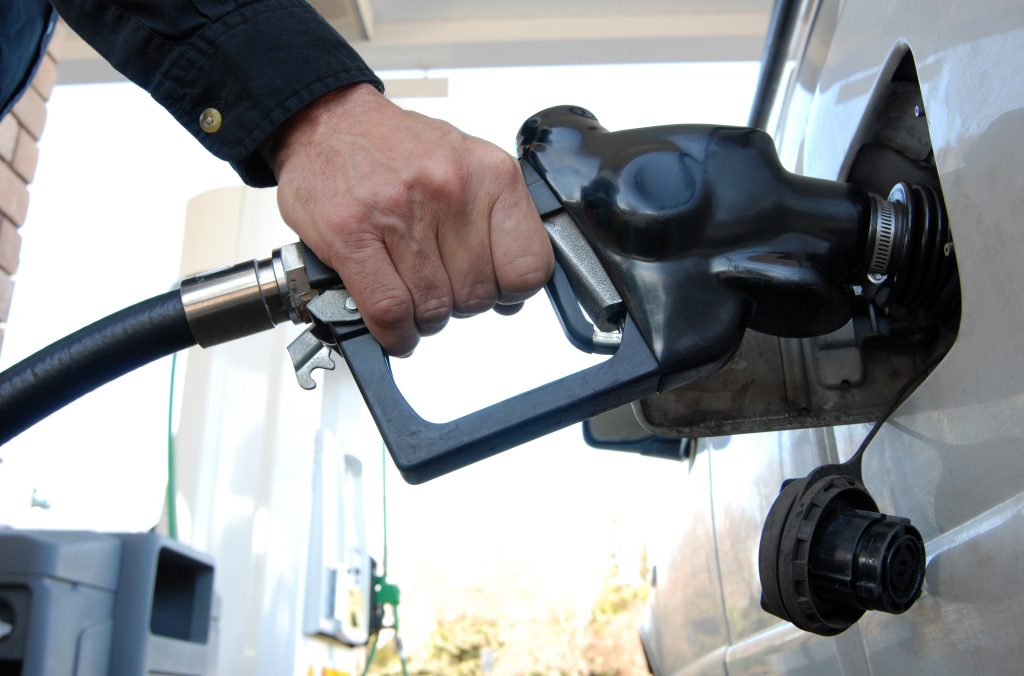
With gas prices constantly fluctuating, finding ways to stretch every gallon has never been more important. Whether you’re commuting to work or heading out on a weekend road trip, improving your vehicle’s fuel efficiency can save you money and keep your car running smoothly. At Hulett, we’re here to help you make the most of every mile. Here are a few key ways to boost your gas mileage:
Pay Attention to Your Fuel
Not all gas is created equal. Fuels with a higher ethanol content tend to burn faster, which can reduce your mileage. Try filling up at different stations and tracking your mileage to see which one gives you the best performance. Sometimes, the right fuel can make a noticeable difference.
Adopt Smarter Driving Habits
The way you drive has a direct impact on how much fuel your vehicle uses. Rapid acceleration and frequent braking can quickly burn through gas. Instead:
- Coast to a stop whenever possible.
- Use cruise control on highways to maintain a steady speed.
These small changes can add up to big savings at the pump.
Keep Up with Regular Maintenance
A well-maintained vehicle is an efficient vehicle. Routine maintenance can significantly improve fuel economy. Make sure to:
- Check and maintain proper tire pressure.
- Schedule regular oil changes.
- Keep your air filter clean.
- Get routine engine tune-ups.
At Hulett, our Certified Buick, Chevrolet, and GMC Technicians service all makes and models. We’re here to keep your vehicle running at its best — and help you get the most out of every gallon.
Ready to Improve Your Fuel Efficiency?
Schedule your next service appointment with Hulett today and let our experienced team help you drive smarter and save more.

Is your car pulling to one side? Steering wheel feeling off-center? You might need a wheel alignment. Let’s break down what this common service means and why it’s crucial for your vehicle’s performance.
What Is a Wheel Alignment?
A wheel alignment involves adjusting the angles of your wheels to ensure they’re properly positioned relative to both the road and each other. This precise adjustment affects how your vehicle handles, how your tires wear, and even your fuel efficiency.
The Three Key Alignment Angles
Technicians focus on three important measurements:
- Camber: The inward or outward tilt of your tires when viewed from the front
- Caster: The forward or backward tilt of your steering axis when viewed from the side
- Toe: How much your tires point inward or outward when viewed from above
Warning Signs You Need an Alignment
Watch for these common indicators:
- Uneven or unusual tire wear patterns
- Vehicle pulling to one side while driving straight
- Off-center steering wheel when driving straight
- Steering wheel vibration
- Loose or wandering steering
Benefits of Proper Alignment
Regular alignment service helps:
- Extend tire life through even wear
- Improve fuel efficiency
- Enhance vehicle safety and handling
- Ensure smoother, more comfortable driving
Professional Service at Hulett
At Hulett Chevrolet Buick GMC in Camdenton, our GM Certified technicians use advanced equipment to perform precise alignments. We currently offer special deals on front-end, four-wheel, and two-wheel alignments. Don’t wait until you notice severe symptoms – regular alignment checks can prevent costly repairs down the road.
Making the Switch from Conventional to Synthetic Oil

As vehicles evolve, more drivers are considering the switch from conventional to synthetic oil. At Hulett, we’re frequently asked about transitioning to synthetic oil, and we’re here to provide expert guidance on this important decision for your vehicle’s health.
Understanding Synthetic Oil Advantages
Modern synthetic oils represent a significant advancement in engine protection and performance. Unlike conventional oils, synthetic formulations offer enhanced capabilities that can benefit your engine in several ways:
- Superior engine protection and lubrication, especially during extreme temperature conditions
- Improved resistance to thermal breakdown, ensuring longer-lasting performance
- Better engine cleanliness through advanced additives and formulation
- Extended intervals between oil changes, potentially saving you time and money
The Transition Process: What You Need to Know
Before making the switch to synthetic oil, consider these essential steps to ensure a smooth transition:
1. Owner’s Manual Verification
Your vehicle’s manual is the ultimate authority on oil compatibility. Always verify that synthetic oil meets your manufacturer’s specifications before proceeding with the change.
2. Selecting the Right Product
With numerous synthetic oil options available, choosing the correct formulation is crucial. Factors like your vehicle’s age, driving conditions, and manufacturer recommendations should guide your selection.
3. Professional Installation
During the transition, both oil and filter replacement is recommended. Our GM Certified Technicians at Hulett ensure proper installation and can recommend the ideal synthetic oil for your specific vehicle.
4. Post-Change Monitoring
After switching to synthetic oil, pay attention to:
- Oil consumption patterns
- Any unusual leaks
- Engine performance changes
Maintaining Consistency
Once you’ve made the switch to synthetic oil, we recommend maintaining this choice for future oil changes. Consistency helps maximize the benefits and protection synthetic oil provides for your engine.
Expert Support at Hulett
Whether you drive a car, truck, or SUV, our experienced team at Hulett is here to help with your transition to synthetic oil. Our GM Certified Technicians work on all makes and models, ensuring professional service regardless of your vehicle type.
Ready to make the switch? Schedule an appointment with our service department today. Our experts will guide you through the process and ensure your vehicle receives the care it deserves.

When it comes to vehicle maintenance, some components get all the glory. Engine oil, transmission fluid, brake pads—they’re the rockstars of car care. But there’s an unsung hero working tirelessly to keep your vehicle running smoothly: the air filter.
What Does an Air Filter Actually Do?
Think of your car’s air filter as the first line of defense against environmental intruders. Its primary mission? To keep dirt, bugs, and debris from entering your engine’s sensitive internal components. It’s like a bouncer for your engine, blocking unwanted particles that could cause serious damage.
How Often Should You Replace Your Air Filter?
Vehicle manufacturers have varying recommendations, but most experts agree that a typical disposable air filter has a lifespan of 12,000 to 30,000 miles. However, this can vary depending on your driving conditions:
- Urban Driving: More frequent replacements may be necessary due to increased dust and pollution
- Rural or Dusty Areas: You might need to replace your air filter more frequently
- Regular Commuters: Pay close attention to your filter’s condition
The Hidden Impact of a Dirty Air Filter
A clogged or dirty air filter isn’t just a minor inconvenience—it can have significant consequences for your vehicle:
- Reduced Fuel Efficiency: When your air filter is blocked, your engine struggles to draw in clean air. This means working harder and burning more fuel to maintain performance.
- Decreased Engine Performance: Less clean air means reduced horsepower and overall engine efficiency.
- Increased Engine Stress: A constantly overworked engine can lead to premature wear and potential long-term damage.
Quick and Inexpensive Maintenance
The good news? Air filter replacement is typically:
- Quick to perform
- Relatively inexpensive
- A great way to prevent more costly repairs down the line
Professional Maintenance Matters
At Hulett Chevrolet Buick GMC, we understand the importance of comprehensive vehicle care. That’s why we check and inspect air filters during every oil change, perform a comprehensive check of all vital vehicle components, along with offering expert maintenance for all makes and models
Take Action Today
Don’t wait for performance issues to arise. Regular air filter maintenance is a simple yet powerful way to protect your engine, improve fuel efficiency, and extend your vehicle’s lifespan overall.
If you’re ready to give the vehicle the care it deserves, schedule a routine maintenance check with the Hulett team’s certified technicians today. Your engine will thank you!
Disclaimer: Actual maintenance needs may vary depending on vehicle type, age, and driving conditions.
How to Keep Your Car Running in Top-Notch Condition

Your vehicle is one of your most important investments and keeping it running smoothly doesn’t have to be complicated. By following a few simple guidelines and developing good driving habits, you can help ensure your car stays in excellent condition for years to come.
Essential Daily Driving Tips
Give Your Engine Time to Warm Up
- Allow 30-45 seconds for your car to warm up before putting it in gear
- This is especially important during cold weather
- Proper warm-up ensures oil and fluids circulate throughout the engine before demanding performance
Practice Gentle Driving Habits
- Accelerate gradually and smoothly
- Plan ahead to brake gently
- Avoid aggressive driving behaviors that cause unnecessary wear and tear
Be Mindful When Steering
- Avoid holding the steering wheel at extreme right or left positions
- This simple habit helps protect your power steering pump from unnecessary strain
- Return to center position when completing turns
Plan Your Routes Strategically
- Consider taking routes that avoid constant “stop-and-go” traffic
- Combine multiple short trips into one longer journey
- This reduces strain on your engine and improves overall efficiency
The Importance of Regular Maintenance
While good driving habits are essential, nothing replaces routine professional maintenance. Regular servicing helps:
- Identify potential issues before they become major problems
- Ensure all systems are functioning optimally
- Extend the life of your vehicle
- Maintain your car’s value
Professional Service You Can Trust
At Hulett, our GM Certified Service Technicians are here to help keep your vehicle running like new. We have the expertise, tools, and genuine parts needed to maintain your car’s peak performance.
Don’t wait until there’s a problem – preventive maintenance is the key to a long-lasting, reliable vehicle. Visit our service center today and let our certified technicians help you maintain your car’s top-notch condition.
Ready to schedule your maintenance appointment? Stop by Hulett today and experience the difference our GM Certified Service Technicians can make for your vehicle.

Getting the best possible mileage from your vehicle is a common concern for drivers. At Hulett Chevrolet-Buick-GMC, we understand the importance of fuel efficiency and want to share some expert tips to help you save money at the pump. Here are three key factors that affect your vehicle’s fuel consumption:
Choose the Right Fuel Source
The type of fuel you use can significantly impact your vehicle’s performance and efficiency. Ethanol content varies between gas stations and affects how quickly fuel burns in your engine. We recommend:
• Testing fuel from different gas stations
• Tracking your mileage after each fill-up
• Identifying which station’s fuel provides the best efficiency for your vehicle
Adopt Fuel-Efficient Driving Habits
Your driving behavior plays a crucial role in fuel consumption. To optimize your vehicle’s efficiency:
• Minimize constant braking and acceleration
• Practice gradual deceleration by coasting to stops when possible
• Use cruise control on highways to maintain steady speeds
• Avoid aggressive acceleration
Maintain Your Vehicle Regularly
Perhaps the most important factor in fuel efficiency is proper vehicle maintenance. Key maintenance items include:
• Regular tire pressure checks
• Routine oil changes
• Clean air filter maintenance
• Scheduled engine tune-ups
At Hulett Chevrolet-Buick-GMC in Camdenton, Missouri, our GM Certified Technicians are equipped to service all makes and models. We’re committed to helping you achieve optimal fuel efficiency through professional maintenance and service.
To schedule an appointment or learn more about improving your vehicle’s fuel efficiency, visit us at our dealership in Camdenton, MO, or call us at 573-346-7272.

Maintaining your vehicle is crucial for ensuring its longevity and performance. One of the simplest yet most effective ways to care for your car is by regularly checking its vital fluids. The five key fluids in your vehicle are: engine oil, brake fluid, coolant, transmission fluid, and power steering fluid. By staying on top of these checks, you can avoid costly repairs and keep your vehicle running smoothly.
Oil
Check your engine’s oil at least once a month. Oil keeps the moving components lubricated to reduce friction and keep the engine running at cooler temperatures. Lack of oil can lead to an expensive repair, or worse- irreversible engine damage.
Brake Fluid
It is a good rule of thumb to check this fluid each time you change your oil. If you feel like your brakes are not working as efficiently as they should, this is the first thing you should check. The fluid should be clean and free of debris.
Coolant
Coolant should be checked at least twice a year. AKA Antifreeze, this fluid keeps your engine cool in the summer and prevents freezing in the colder winter temps. Always ensure the engine is cool before checking this fluid, as it is under pressure.
Transmission
Check your transmission fluid once a month and while the car is running. It should be red in color and not smell hot or burnt. If you notice low fluid levels, or the fluid is dark in color take it to a professional to be changed or checked for leaks.
Power Steering
Power steering fluid should be checked once a month. This fluid is contained in a reservoir and you should be able to visibly see if it is low. Low fluid levels may indicate a leak and should be checked by a professional.
Hulett’s GM Certified Technicians check each of these every time you come in for an oil change as a courtesy to you, and we service all makes and models. Give us a call and schedule your service today!
The Importance of Regular Car Washing

When it comes to maintaining your vehicle, one aspect that is often overlooked is the frequency of washing your car. Many people believe that washing their car too frequently may not be necessary, but in reality, there is no harm in giving your vehicle a regular wash. In fact, it can be highly beneficial for the longevity and overall health of your car.
Protect Your Paint
Regular car washing is essential for removing dirt, grime, and other substances that can damage your paintwork over time. These contaminants can cause your paint to fade and deteriorate, leading to costly repairs in the future. By washing your car regularly, you can prevent these issues and keep your vehicle looking fresh and well-maintained.
Preserve Your Mechanics
Not only does washing your car protect the exterior, but it also helps prevent dirt and corrosive materials from affecting some of the car’s mechanics. By keeping your vehicle clean, you can ensure that it runs more efficiently and remains in optimal condition for longer.
Consider Your Environment
Individuals living in areas with extreme weather conditions, such as heavy rain, snow, or salt exposure, should wash their cars more frequently than those in more stable climates. For those in harsh environments, washing once or even twice a week is recommended to combat the effects of these elements. On the other hand, individuals in milder climates can stick to a bi-weekly washing schedule.
Post-Wash Care
While washing your car is crucial, how you dry it is equally important. Using dry materials that are not designed for car washing can actually harm your paintwork. Residual particles left on your vehicle after washing can get trapped between the cloth and your car, leading to scratches and damage. To ensure your car is properly cleaned and maintained, it is best to seek the expertise of professionals who have the right tools and materials for the job.
Hulett: Your Car Care Partner
At Hulett, we understand the importance of regular car maintenance and offer a complimentary car wash with every visit. Our team of GM Certified Technicians is equipped to work on all makes and models, ensuring that your vehicle receives the care it deserves. Schedule an appointment with us for all your vehicle’s needs and let us help you preserve your car for as long as you own it.
Remember, regular car washing is not just about aesthetics—it is a vital part of maintaining the health and longevity of your vehicle. By incorporating this simple practice into your routine, you can ensure that your car remains in top condition for years to come.
Connect with us

